
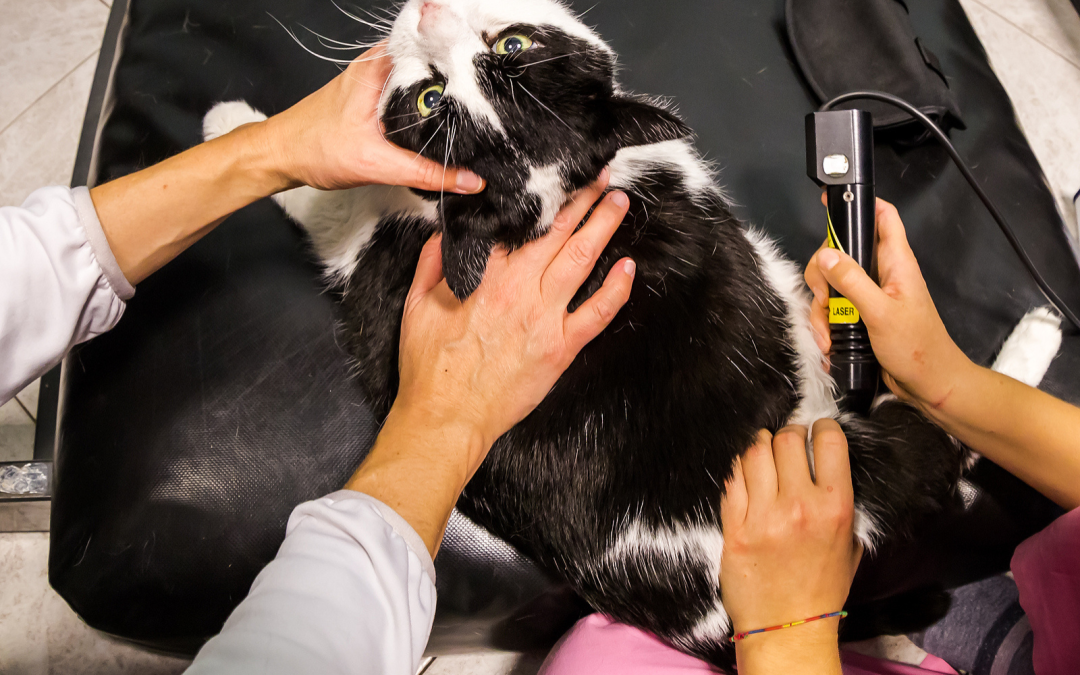
Cold laser therapy (CLT), also known as low-level laser therapy, is a non-invasive treatment used to help reduce inflammation, relieve pain, and promote wound healing in both dogs and cats. This therapy uses a single wavelength of light within the red to infrared spectrum to stimulate cellular activity and support the body’s natural healing processes.
The laser light encourages the release of endorphins, which help reduce pain and decrease inflammation. It also promotes dilation of lymphatic vessels, allowing excess fluid to drain from affected tissues. Increased circulation to the treated area improves oxygen and nutrient delivery, further supporting tissue repair.
Cold laser therapy is completely non-invasive, and sedation is typically not required. Most patients remain relaxed and comfortable during treatment.
What to Expect During Treatment
Laser therapy sessions are usually performed on an outpatient basis and typically last between 15 and 30 minutes. The length of each session depends on the size and number of areas being treated. Small wounds may take only a few minutes, while multiple joints or larger treatment areas may require longer sessions.
Treatment frequency varies based on the condition being addressed. Some cases may begin with daily sessions, which are gradually spaced farther apart as healing progresses. Chronic conditions such as arthritis may initially require treatments several times per week, with maintenance sessions scheduled less frequently once optimal pain control is achieved.
Conditions That May Benefit from Cold Laser Therapy
Cold laser therapy may be recommended for:
- Arthritis and chronic joint pain
- Post-surgical incision healing
- Soft tissue injuries, such as ligament or tendon sprains and strains
- Lick granulomas (hot spots)
- Inflammatory conditions affecting the skin or musculoskeletal system
Benefits of Cold Laser Therapy
Because CLT is minimally invasive and does not typically require sedation, it carries very few risks. Most dogs and cats tolerate the procedure well, making it an appealing option for many pet owners.
In rare cases, highly anxious or excitable patients may require mild sedation to ensure safe and effective treatment, but this is uncommon.
Effectiveness of Treatment
Studies have shown that pets receiving laser therapy for arthritis demonstrate measurable improvement in pain levels, as assessed by both veterinarians and pet owners. Many owners report noticeable improvements in mobility and overall quality of life over several weeks of treatment.
While additional research continues to evaluate long-term outcomes and broader applications, current evidence supports its use as a helpful adjunct therapy for pain and inflammation management.
Most patients do not require special preparation prior to treatment. However, if your pet experiences significant anxiety, consult your primary veterinarian to determine whether pre-appointment medication may help reduce fear or stress. Any prescribed medications must come from a veterinarian with whom you have an established relationship and a current examination on record.
During the Appointment
During therapy, your pet will typically rest on a comfortable pad while protective goggles are placed over their eyes to prevent retinal exposure to the laser light. Training dogs to lie calmly on command can help make sessions smoother. Cats are often gently positioned and reassured throughout the process. Introducing protective eyewear before the first session may also ease the adjustment period.
Potential Complications
When performed by trained professionals using appropriate equipment and settings, cold laser therapy is considered safe. However, improper use can result in burns.
Laser therapy should not be used over:
- Tumors
- The eyes
- Active growth plates in young animals
- A pregnant uterus
Your veterinarian will determine whether your dog or cat is an appropriate candidate for treatment.
Final Thoughts
Cold laser therapy is a valuable supportive treatment for pain and inflammation in both dogs and cats, but it is rarely used as a standalone therapy. It is most effective when incorporated into a comprehensive treatment plan.
Additional management options may include:
- Anti-inflammatory medications
- Pain medications such as gabapentin or carprofen
- Acupuncture
- Massage therapy
- Hydrotherapy (more commonly used in dogs)
- Joint supplements
If you are interested in learning whether cold laser therapy may benefit your pet, speak with us to develop a personalized treatment plan tailored to your pet’s specific needs.