
Advanced Minimally Invasive Diagnostic & Therapeutic Procedures
Endoscopy is a critical diagnostic and therapeutic tool used in emergency and specialty veterinary medicine. At TruVet Specialty & Emergency Hospital, endoscopic procedures allow our veterinarians to directly evaluate internal structures, obtain targeted samples, and, in select cases, remove foreign material without the need for more invasive surgery.
Our advanced endoscopy services support accurate diagnosis and timely treatment across gastrointestinal, respiratory, urinary, and reproductive conditions in dogs and cats.
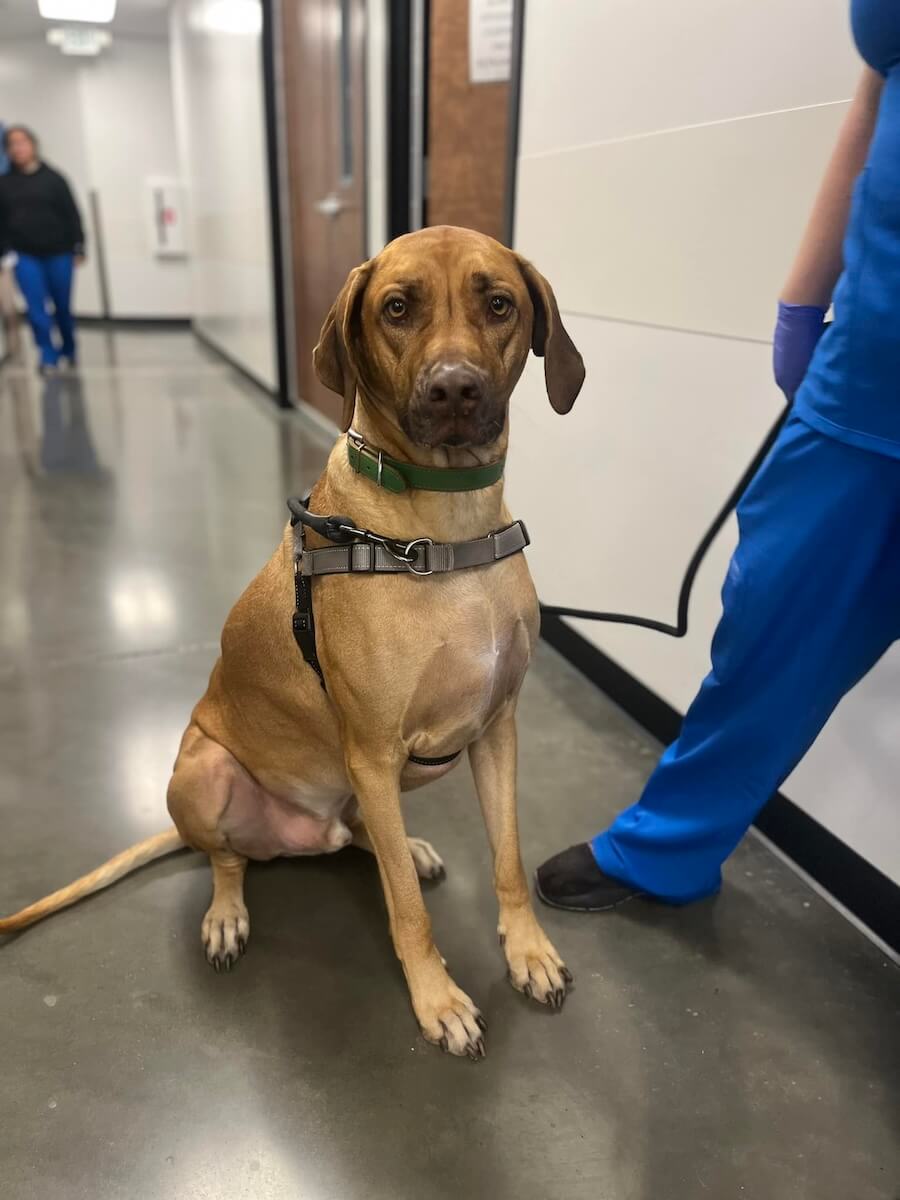
What Is Veterinary Endoscopy?
Veterinary endoscopy involves the use of flexible or rigid scopes equipped with high-resolution cameras to visualize internal organs and body systems in real time. Depending on the clinical indication, endoscopy may be used to:
- Examine internal structures not fully assessed through external imaging alone
- Identify inflammation, masses, foreign bodies, or anatomic abnormalities
- Obtain tissue or fluid samples for diagnostic testing
- Perform limited therapeutic interventions
Because endoscopy is minimally invasive, it often allows for faster recovery and may reduce the need for exploratory surgery in appropriate cases.
Endoscopic Procedures We Offer
TruVet provides a comprehensive range of veterinary endoscopy services, tailored to each patient's condition and diagnostic needs.
Bronchoscopy
Bronchoscopy allows evaluation of the internal airways, including the trachea, bronchi, and bronchioles within the lungs. This procedure may be used to diagnose respiratory disease, collect airway fluid or tissue samples, identify inflammation or obstruction, or remove foreign material from the airways.
Colonoscopy
Colonoscopy enables visualization of the large intestine (colon) and rectum. It is commonly used to evaluate chronic gastrointestinal symptoms such as diarrhea, inflammation, bleeding, or suspected lower intestinal disease.
Cystoscopy
Cystoscopy allows direct visualization of the urethra and urinary bladder. This procedure may be used to identify anatomic abnormalities such as ectopic ureters, visualize and biopsy masses, remove foreign bodies, or further evaluate urinary tract disease.
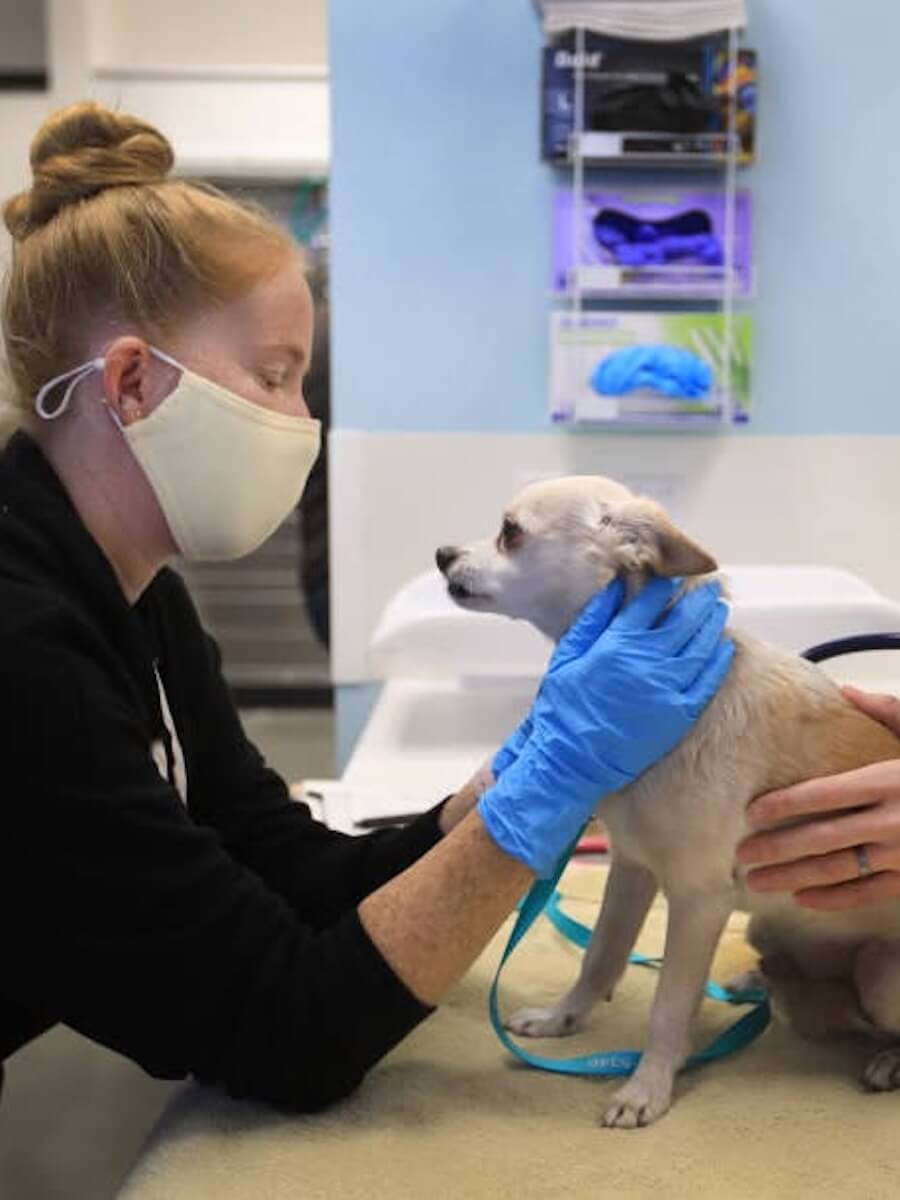
Gastrointestinal Endoscopy
Gastrointestinal endoscopy uses flexible or rigid scopes to examine the esophagus, stomach, and small intestine. This technique allows veterinarians to obtain targeted biopsies, diagnose inflammatory or structural disease, and, in emergency situations, remove foreign bodies from the digestive tract.
Oropharyngoscopy
Oropharyngoscopy provides visualization of the back of the throat, allowing evaluation for foreign bodies, masses, or abnormalities affecting the larynx and surrounding structures.
Rhinoscopy
Rhinoscopy allows examination of the nose, nasal passages, and nasopharynx. This procedure is useful for diagnosing nasal disease, chronic discharge, bleeding, or suspected foreign material.
Vaginoscopy
Vaginoscopy enables visualization of the vaginal vault and is often performed to identify or remove foreign bodies, obtain biopsies, or evaluate reproductive tract abnormalities.
When Endoscopy Is Recommended
Endoscopic procedures may be recommended when physical examination findings, diagnostic imaging, or laboratory results indicate the need for direct visualization or tissue sampling. Endoscopy is commonly used in both emergency and referral cases to support accurate diagnosis and guide treatment decisions.
If your pet has been referred for endoscopy or requires advanced diagnostic evaluation, our team is here to help guide next steps and coordinate care.
Meet Our Internal Medicine Veterinarian
Endoscopy is offered by our Internal Medicine department. Care is provided by:
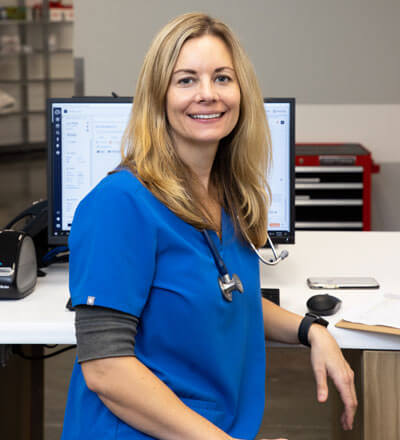
Dr. Freya Kruger, Veterinarian DVM, MS, DACVIM
Internal Medicine
Dr. Freya Kruger is a board-certified internist who grew up in the Central Valley of California and spent much of her youth raising and showing Quarter horses and Holstein replacement heifers.
Preparing for Your Endoscopy Appointment
Before your visit, it's helpful to understand what to expect and how to prepare. From medical record coordination and fasting instructions to treatment planning and discharge communication, our team is committed to making the process clear and organized. Learn how to prepare for your appointment and what happens during your pet's visit.
If Your Pet Requires Hospitalization
When a pet needs to stay in the hospital, clear communication and attentive care matter. Our veterinarians provide 24-hour supervision, daily medical updates, and structured visitation guidelines to keep you informed and supported. Learn what to expect during your pet's hospitalization and how we prioritize safety, comfort, and continuity of care.