
Cushing’s disease and Addison’s disease are two endocrine disorders that affect a dog’s adrenal glands. Although they are often discussed together, these conditions are essentially opposites—one caused by excess cortisol, the other by insufficient cortisol. Both can be life-threatening if left untreated, yet they typically present very differently and require distinct diagnostic and treatment approaches. Understanding these differences can help pet owners recognize warning signs earlier and appreciate why lifelong management is often necessary.
The Adrenal Glands: Why They Matter
The adrenal glands sit near the kidneys and produce hormones that are essential for normal body function, including:
- Cortisol, which helps regulate stress, metabolism, immune response, and blood sugar
- Aldosterone, which regulates sodium, potassium, and hydration
Disruption of adrenal hormone production can lead to widespread effects throughout the body.
Cushing’s Disease (Hyperadrenocorticism)
Cushing’s disease occurs when the body produces too much cortisol. The most common causes include:
- Pituitary-dependent Cushing’s, caused by a benign tumor in the pituitary gland that overstimulates the adrenal glands
- Adrenal-dependent Cushing’s, caused by a tumor on one adrenal gland that produces cortisol independently
- Iatrogenic Cushing’s, resulting from prolonged or excessive steroid medication use
Common Signs and Symptoms
Cushing’s disease typically develops slowly, with signs that worsen over time. These may include:
- Increased thirst and urination
- Increased appetite
- Excessive panting
- Pot-bellied appearance
- Hair loss or thinning coat
- Thin skin that bruises easily
- Muscle weakness
- Lethargy
- Recurrent infections (skin, ears, urinary tract)
Because progression is gradual, these signs are sometimes mistaken for normal aging.
Diagnosis
Diagnosis usually requires a combination of tests, including:
- Baseline bloodwork and urinalysis
- ACTH stimulation test
- Low-dose dexamethasone suppression (LDDS) test
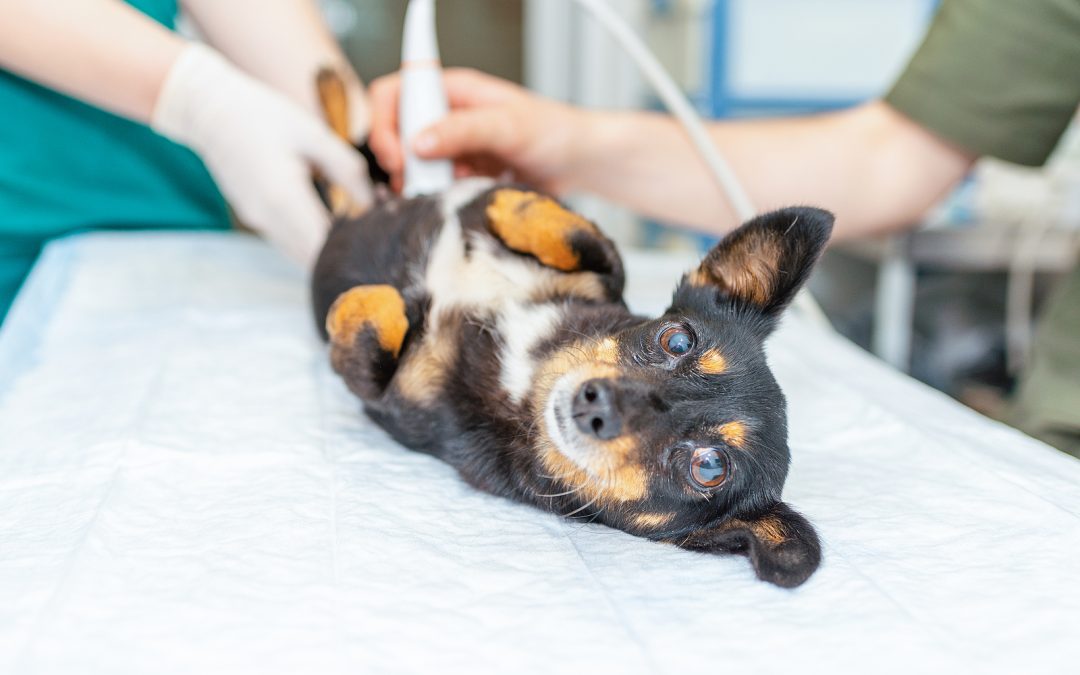
- Abdominal ultrasound to evaluate the adrenal glands
Treatment and Prognosis
Treatment depends on the underlying cause. Most dogs are managed medically with trilostane, while surgical removal of adrenal tumors may be considered in select cases. Lifelong monitoring and medication adjustments are required. With proper management, many dogs live for years with a good quality of life.
Addison’s Disease (Hypoadrenocorticism)
Addison’s disease occurs when the adrenal glands produce too little cortisol, and often too little aldosterone as well. Causes include:
- Immune-mediated destruction of adrenal tissue
- Secondary Addison’s due to pituitary dysfunction
- Iatrogenic Addison’s from abrupt withdrawal of steroid therapy or Cushing’s medications
Common Signs and Symptoms
Addison’s disease is often referred to as “the great pretender” because its signs can be vague, intermittent, and easily mistaken for other illnesses. Symptoms may include:
- Lethargy
- Vomiting and diarrhea
- Poor appetite
- Weight loss
- Shaking or weakness
- Dehydration
- Slow heart rate
- Collapse
Signs may wax and wane until a sudden medical emergency occurs.
Addisonian Crisis
If untreated, a dog may experience an Addisonian crisis, characterized by:
- Severe dehydration
- Low blood pressure
- Dangerous electrolyte imbalances
- Shock
This is a life-threatening emergency requiring immediate veterinary care.
Diagnosis
Diagnosis typically includes:
- Bloodwork showing low sodium and high potassium
- ACTH stimulation test
- Baseline cortisol screening
Treatment and Prognosis
Treatment focuses on lifelong hormone replacement, including:
- Mineralocorticoid supplementation (DOCP injections or fludrocortisone*)
- Glucocorticoid supplementation (such as low-dose prednisone**)
With consistent treatment and monitoring, dogs with Addison’s disease often have an excellent long-term prognosis.
Cushing’s vs. Addison’s: Key Differences at a Glance
| Feature | Cushing’s Disease | Addison’s Disease |
|---|---|---|
| Hormone levels | Excess cortisol | Deficient cortisol ± aldosterone |
| Onset | Gradual | Often subtle; sudden crisis possible |
| Thirst & urination | Increased | Often decreased |
| Appetite | Increased | Decreased |
| Hair loss | Common | Uncommon |
| Electrolyte imbalance | Rare | Common |
| Treatment | Cortisol suppression | Hormone replacement |
| Long-term outlook | Good with management | Excellent with management |
Why Early Diagnosis Matters
Both Cushing’s and Addison’s disease can be fatal if left untreated, yet both are highly manageable when diagnosed early. Because symptoms often overlap with other conditions, endocrine diseases are frequently diagnosed only after thorough investigation. Veterinary attention should be sought if a dog shows persistent changes in thirst, appetite, energy level, or weight.
Conclusion
Cushing’s and Addison’s disease represent opposite ends of adrenal dysfunction—one caused by hormone excess, the other by hormone deficiency. While their clinical signs and treatments differ significantly, both conditions highlight the importance of early detection, accurate diagnosis, and a lifelong partnership with a veterinarian. With proper care, dogs with either condition can continue to live happy, comfortable lives.
* Fludrocortisone is a corticosteroid medication that replaces hormones when the adrenal glands do not produce enough.
** Glucocorticoids are steroid hormones, such as cortisol, that are essential for life and regulate metabolism, immune response, and other vital functions.