
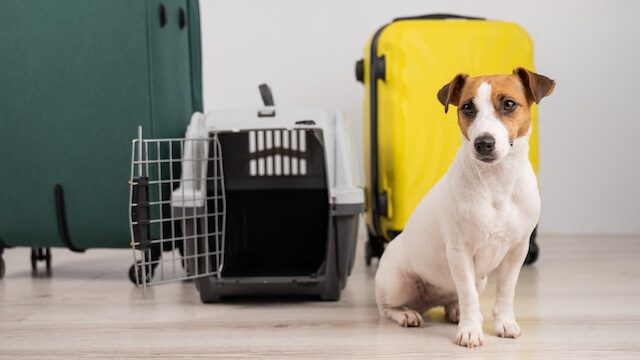
Traveling with a pet can be a rewarding experience for families. Who would not want to bring their furry friend on an adventure? But it also comes with unique responsibilities. Whether you are planning a road trip, train ride, or a cross country flight, understanding and preparing for pet travel safety is critical to protecting your animal's health and wellbeing. This article lists safety tips for each transport mode and explains the importance of restraints and planning.
Why Pet Travel Safety Matters
Traveling with a pet presents many perilous situations that can prove hazardous to a loose animal. Sudden stops, changing climates, and strange surroundings can all contribute to stress and injury. In vehicles, if animals are not restrained, they can become airborne or be thrown out of the vehicle, acting as dangerous projectiles that may injure the animals themselves or human passengers. Without the right planning, stress, temperature fluctuations, and handling can pose serious risks at airports and on planes. Planning ahead and using proper safety equipment is not just about convenience; it is essential for minimizing risk, whether on the road or in the sky.
The Basics
Ensure your pet's microchip is current, vaccinations are up to date, and they are healthy before traveling. Talk to your vet before traveling with your pet to check their needs, name any concerns, and get prescribed anti-anxiety meds if needed. Pack food, water, a leash, harness or carrier, and waste disposal for your pet. Be sure to take frequent rest breaks to give your pets water, meet their bathroom needs, and allow them some time to stretch on longer journeys.
Automobiles: Road Safety and Restraints
Car travel represents the most common way to travel with a pet. It is also, coincidentally, the setting where safety is most often overlooked. Drivers must stay vigilant to avoid causing unnecessary distress if a pet falls out of their vehicle or is thrown out during a collision.
Pets should never roam freely in a moving vehicle. Doing so significantly increases the risk of distraction or injury. Many recommended restraint options are available, such as:
- Crash tested harnesses — these attach directly to the seat belt and secure your pet
- Carriers or crates properly secured, sized suitably for the pet and secured in the back seat or cargo area of the vehicle.
- Barriers to confine pets to a specific area of the vehicle that allows for airflow and space.
Other Key Safety Tips
- Keep pets in the back seat away from airbags that could injure them if deployed.
- Never leave pets unattended in a parked vehicle, even briefly. The temperature inside your vehicle can and will rise or fall rapidly to dangerous levels.
- Carry a pet travel kit with food, water, medications and a first aid kit.
Bringing the right supplies reduces risks of injury, dehydration, hypothermia, heatstroke, and stress on long drives.
Air Travel: Crate Safety and Preparation
While traveling in a car may be the most common, air travel requires significantly more planning, especially when pets travel in cargo.
Understanding Airline Policies
Airlines set their own policies for pet travel, including restrictions on carrier size, animal age, and required documentation. Small pets may be allowed in-cabin inside carriers that fit under the seat, while larger animals may be required to travel in the cargo hold in USDA-approved crates.
If your pet must travel in a crate:
- Choose a sturdy, airline approved crate that allows enough space for your pet to stand, turn, and lie down comfortably without struggle.
- Line the crate with familiar bedding — be sure to secure it so it doesn't shift during handling.
- Always check your crate has "Live animal" labels and contact information.
- Obtain any required health certificates from your veterinarian to verify vaccination status and health certification.
Health Concerns
You should consult your veterinarian well before traveling, especially for short-nosed breeds that are more prone to breathing and heat-related issues during air travel. Vaccinations and paperwork must be up to date and comply with destination regulations as well as departure policies.
For anxious travelers, your veterinarian may recommend prescribed sedatives to help your pet feel more at ease. These are prescription-only and usually given before boarding to ensure they have time to take effect.
Trains, and Other Public Transport
Just as with airline travel, traveling by train with pets or other public transit also comes with rules and safety regulations that vary.
- Most trains require pets to be in carriers or on leashes.
- Carriers should be secure, well ventilated and sized appropriately even in pet-friendly services.
- Check pet policies and restrictions before booking — know where pets are banned or require extra rules.
Planning Ahead: Stay Prepared
Traveling with pets does not have to be stressful — but it does require intention and care. Effective restraints, thorough preparation, and a clear understanding of potential transport hazards all contribute to your pet's well-being and a smooth, positive experience for everyone involved.