
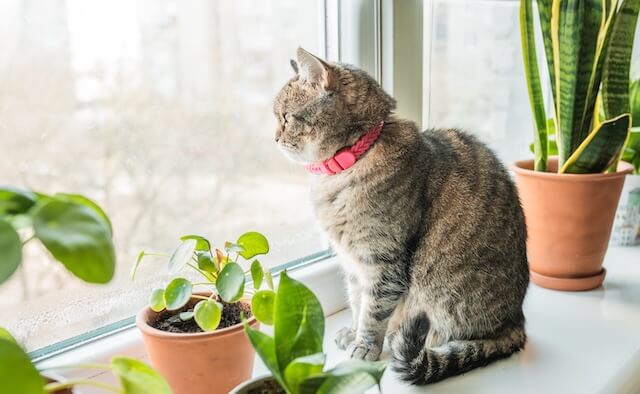
Pets can be curious — and sometimes that curiosity leads them to eat things they shouldn't. A few quiet minutes can quickly turn into an emergency if a pet gets into toxic foods, medications, plants, or household substances. Many ingested items can cause serious illness, organ damage, or even be life-threatening.
Knowing what is dangerous — and when to seek help — can make a critical difference for your pet.
Foods Potentially Toxic to Dogs and/or Cats
Grapes, Raisins & Currants: These can cause sudden, severe, and sometimes irreversible kidney failure in dogs. Tartaric acid is suspected to be the toxic component.
Onions, Garlic, Chives (Allium family): Can damage red blood cells and lead to anemia. Cats are even more sensitive than dogs.
Toxic in all forms, including:
- Raw or cooked
- Powdered seasoning
- Onion soup mix
- Baby food with onion/garlic
Citrus Plants & Peels: Peels, stems, seeds, and leaves contain essential oils and citric acids that may cause:
- Drooling
- Vomiting
- Diarrhea
Large exposures may lead to central nervous system depression.
Avocado: Primarily risky due to:
- High fat content → pancreatitis risk
- GI upset and vomiting
- Choking or intestinal blockage from the pit
Avocado can be toxic to birds, horses, cattle, goats, and sheep.
Chocolate: Contains methylxanthines (theobromine and caffeine) and may cause:
- Vomiting and diarrhea
- Restlessness, tremors, seizures
- Abnormal heart rhythms
- Death in severe cases
Darker chocolate = higher toxicity.
Coffee & Caffeine: Cause the same methylxanthine poisoning effects as chocolate.
Nuts (macadamia, walnuts, almonds, pecans): High in fats and oils — may cause:
- Vomiting and diarrhea
- Pancreatitis
Macadamia nuts may also cause weakness and tremors.
Coconut & Coconut Oil: Small amounts are generally safe but may cause:
- Soft stool or diarrhea
- Stomach upset
Avoid coconut water due to high potassium.
Xylitol (Sugar Substitute): Found in gum, candy, toothpaste, baked goods, and supplements. Can cause:
- Rapid drop in blood sugar (hypoglycemia)
- Vomiting and weakness
- Seizures
- Liver failure within 12–24 hours
This is a medical emergency.
Salty Foods: May cause:
- Increased thirst and urination
- Electrolyte imbalances
- Diarrhea, tremors, seizures
- Coma or death in severe cases
Alcohol & Raw Yeast Dough: Alcohol is rapidly absorbed and may cause:
- Vomiting and weakness
- Tremors and respiratory distress
- Coma
Raw dough expands in the stomach and produces alcohol → risk of bloat and gastric torsion.
Raw or Undercooked Meat, Eggs, or Bones: May contain Salmonella or E. coli, and raw bones can cause:
- Choking
- GI tears
- Intestinal obstruction
- Surgical emergencies
Mushrooms: Some mushroom species can cause:
- Liver failure
- Neurologic collapse
- Death
Any wild mushroom ingestion should be treated as urgent.
Non-Food Toxins
Antifreeze (Ethylene Glycol): Extremely toxic — causes:
- Vomiting and increased urination
- Staggering and tremors
- Kidney failure
- Coma
Early treatment is critical.
Household Cleaners & Chemicals: Many cause chemical burns, organ damage, or respiratory injury. Store products securely and avoid floor contact until fully dry.
Rodenticide (Rat/Mouse Bait): Different formulas cause different life-threatening effects, including:
- Internal bleeding
- Seizures
- Brain swelling
- Kidney failure
Immediate treatment is essential.
Lawn & Garden Products: Fertilizers, weed killers, and herbicides may cause:
- Vomiting and diarrhea
- Tremors and seizures
- Coma or death in severe cases
Insecticides & Pesticides: Organophosphates and pyrethrins can cause:
- Drooling and tremors
- Seizures
- Breathing difficulty
Never apply dog flea products to cats.
Human Medications: Common dangerous drugs include:
- Ibuprofen & naproxen (NSAIDs)
- Acetaminophen (especially fatal to cats)
- Antidepressants
- ADHD medications
- Cold medicines
Never give pets human medication unless prescribed.
Toxic Plants: Highly toxic plants include:
- Lilies (fatal kidney failure in cats)
- Oleander
- Azaleas & rhododendron
- Tulips & hyacinths
Even small ingestions can be dangerous.
Essential Oils & Fragrance Oils: May cause:
- GI upset or burns when ingested
- Respiratory irritation when inhaled
- Liver toxicity in cats
Cats are especially sensitive to diffused oils.
If Your Pet May Have Ingested Something Toxic
Do not wait for symptoms — many toxins worsen quickly.
Contact:
ASPCA Animal Poison Control — (888) 426-4435
Pet Poison Helpline — (855) 764-7661
(Fees may apply, but they provide case-specific treatment guidance to your veterinarian.)