
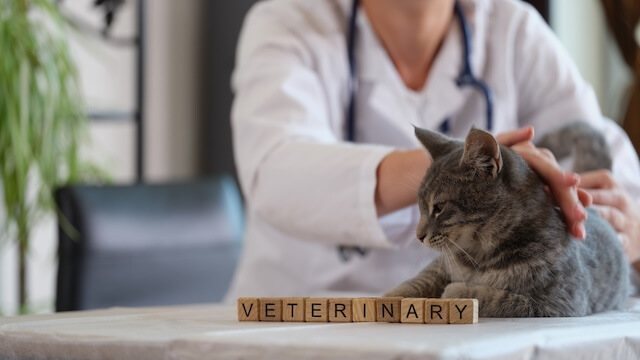
If your pet is experiencing ongoing or unexplained illness and standard treatments haven't resolved the problem, your primary veterinarian may refer you to a board-certified Internal Medicine Specialist, also called an Internist. (Unlike an intern, who is still in training, these specialists are fully credentialed.) Internists complete a rigorous 3–4-year residency after earning their veterinary license, honing expertise in diagnosing and treating complex diseases affecting internal organ systems.
Areas of Expertise
Internal Medicine Specialists focus on a wide range of conditions, including:
- Gastroenterology: Disorders of the stomach, intestines, pancreas, liver, and esophagus
- Urology: Kidney disease, bladder issues, and urinary tract disorders
- Endocrinology: Hormonal imbalances such as diabetes, thyroid disease, Cushing's (hyperadrenocorticism), Addison's (hypoadrenocorticism), or parathyroid disorders such as hypoparathyroidism or hyperparathyrodism.
- Hematology: Blood disorders, including anemia, and clotting issues,
- Cardiorespiratory Disorders: Some Internists specialize in these, while others collaborate with cardiologists for advanced diagnostics
- Infectious Diseases: Viral, bacterial, fungal, or parasitic illnesses
- Complex Multi-System Disease: Cases involving multiple organs or overlapping disease processes
- Autoimmune Diseases: Autoimmune disorders such as immune-mediated thrombocytopenia, immune-mediated hemolytic anemia, immune-mediated polyarthritis
Advanced Training and Diagnostics
Internists study advanced physiology, pathology, pharmacology, and disease mechanisms at the cellular, organ, and systemic levels. Their training equips them to interpret sophisticated diagnostics and develop targeted treatment plans.
They are skilled in a variety of advanced diagnostic procedures, including:
- Laboratory testing (endocrine panels, coagulation tests, infectious disease panels, urinalysis, cultures, cytology)
- Imaging (abdominal ultrasound, CT, MRI, fluoroscopy)
- Endoscopy (gastroscopy, colonoscopy, rhinoscopy, bronchoscopy, cystoscopy, vaginoscopy)
- Biopsies, aspirations, bone marrow evaluation, and endoscopic foreign body removal
- Bile acid testing and other specialized assessments
Common Reasons for Referral
Many cases are complex and may be difficult to diagnose without specialized expertise. Some of the most frequent reasons pets are referred to Internal Medicine include:
- Chronic vomiting or diarrhea
- Unexplained weight loss
- Persistent coughing or breathing issues
- Uncontrolled diabetes or other endocrine disorders
- Chronic urinary problems
- Suspected cancer
Collaborative Care
Internal Medicine Specialists work closely with your primary veterinarian. Specialty care is a partnership, not a replacement, ensuring your pet benefits from the combined expertise of both your family veterinarian and a specialist. Referrals reflect a commitment to the highest standard of care and achieving the best possible outcomes for your pet.