
TPLO Surgery
TruVet offers TPLO (Tibial Plateau Leveling Osteotomy) surgery for dogs with cranial cruciate ligament (CCL) injuries — one of the most common causes of hind limb lameness and knee instability.
As part of our commitment to clarity and transparency, we provide fixed TPLO pricing when performed by our staff surgeon, Dr. Tong. This allows pet owners to plan confidently without unexpected surgical cost fluctuations.
If your dog has been diagnosed with a partial or complete cruciate tear, our surgical team provides advanced stabilization designed to restore comfort, mobility, and long-term joint health.
Fixed TPLO Pricing
We believe surgical planning should include financial clarity.
Single-Leg TPLO
$6,000
Double-Leg TPLO (performed sequentially)
$9,000
Additional Information
Initial consultation: $250
Post-operative rechecks billed separately
Why TPLO Is Recommended
When the cruciate ligament is damaged, the knee becomes unstable. This instability causes pain, inflammation, cartilage damage, and progressive arthritis.
TPLO is considered the most reliable and successful surgical technique for stabilizing this injury. Nearly 80% of board-certified veterinary surgeons (ACVS) prefer TPLO because it consistently provides excellent long-term outcomes.
TPLO works by changing the mechanics of the knee so that it no longer relies on the damaged ligament for stability. By adjusting the angle of the tibia and securing it with a bone plate, the joint becomes naturally stable again.
In simple terms:
TPLO stops abnormal movement in the knee so your dog can return to comfortable use of the leg.
Partial Cruciate Tears
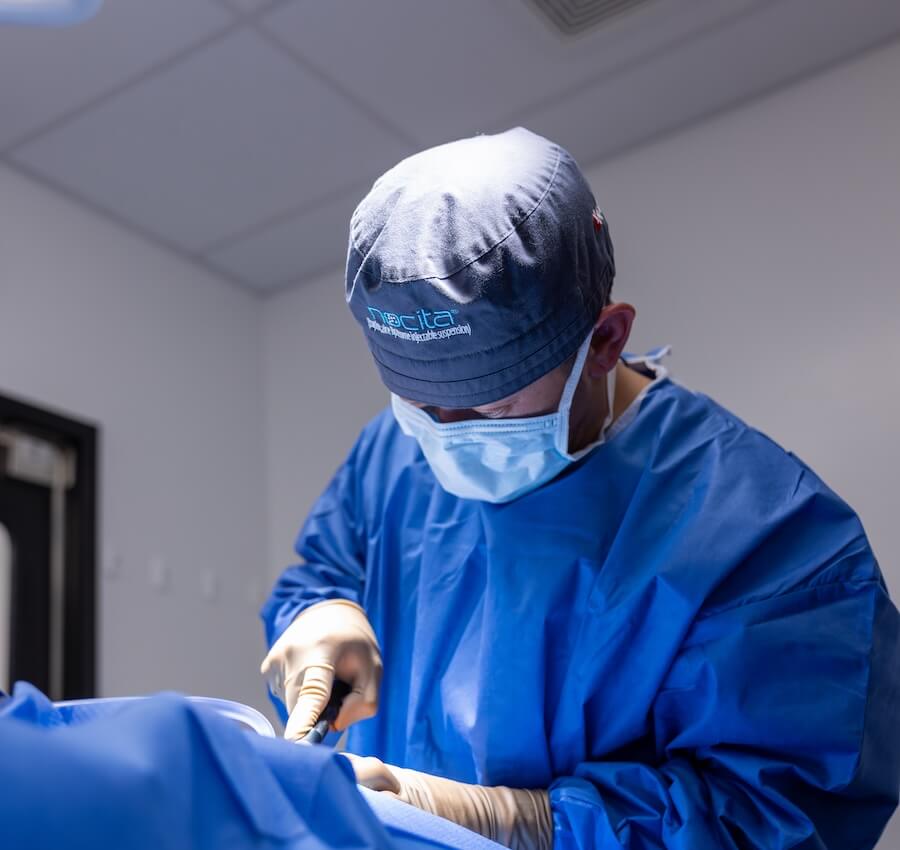 Cruciate injuries are not always complete tears at first. With a partial tear, you may notice:
- Intermittent limping, especially after activity
- Pain when the knee is extended
- Subtle joint swelling
- Thickening along the inside of the knee
Even partial tears typically worsen over time. Early surgical stabilization often prevents further damage and long-term arthritis progression.
What Results Can You Expect?
Most dogs begin bearing weight within 1–2 weeks after surgery.
Typical recovery timeline:
Success rates are typically over 90%, and complication rates are low when performed by experienced surgeons.
- Bone healing: ~8 weeks
- Gradual strengthening: 1–2 additional months
- Return to near-normal function: 3–4 months
- Full long-term comfort: often by 6 months (with strict adherence to recovery instructions)
Post-Operative Care & Pain Management
Following surgery, patients recover under close supervision, with access to 24-hour monitoring when needed. Pain management plans are tailored to each patient and may include multimodal therapies such as injectable medications, constant rate infusions, local anesthesia, oral medications, and transdermal options. Our goal is to support safe recovery while maintaining comfort and careful medical oversight throughout hospitalization.
Meet Our Veterinary Surgeons
Surgical care is provided by:
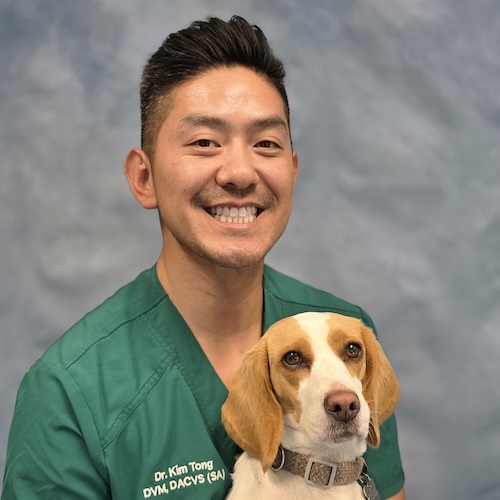
Dr. Kim Tong, Veterinarian DVM, DACVS (SA)
Veterinary Surgeon
Dr. Kim Tong, originally from San Francisco, CA, discovered his passion for veterinary medicine through a transformative experience volunteering at an animal ER in San Diego during his undergraduate years.
Preparing for Your Surgery Appointment
Before your visit, it's helpful to understand what to expect and how to prepare. From medical record coordination and fasting instructions to treatment planning and discharge communication, our team is committed to making the process clear and organized. Learn how to prepare for your appointment and what happens during your pet's visit.
If Your Pet Requires Hospitalization
When a pet needs to stay in the hospital, clear communication and attentive care matter. Our veterinarians provide 24-hour supervision, daily medical updates, and structured visitation guidelines to keep you informed and supported. Learn what to expect during your pet's hospitalization and how we prioritize safety, comfort, and continuity of care.